


Blepharoplasty
(Eyelid Aesthetic Surgery)
Blepharoplasty
(Eyelid Aesthetic Surgery)
The eyes are the most striking and expressive part of our face. Over time, aging, genetic factors, and environmental influences can cause various changes around the eyes. Sagging of the upper eyelids, under-eye bags, and wrinkles can make a person appear tired, older, or sad. One of the most popular solutions sought by those who want to address these aesthetic concerns is blepharoplasty, also known as eyelid aesthetic surgery.
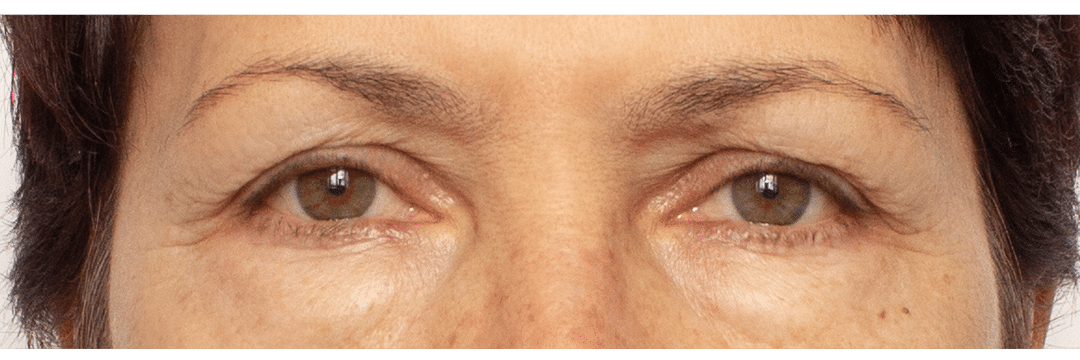
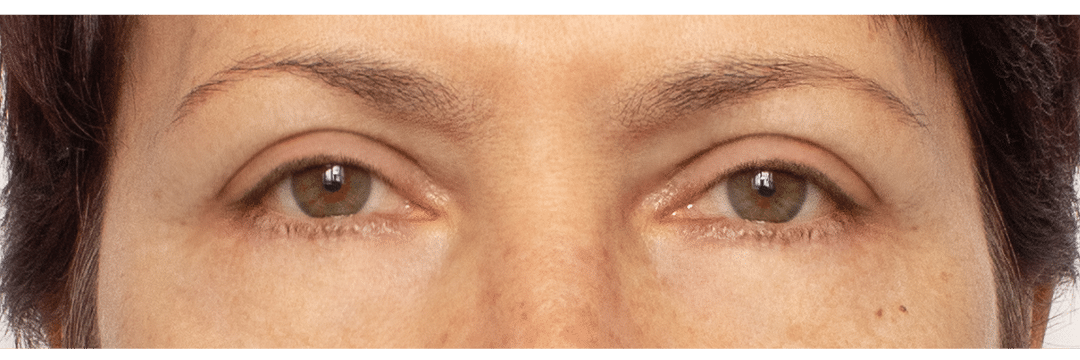
What is Blepharoplasty?
Blepharoplasty is a surgical procedure that involves the removal of excess skin, muscle, or fat tissue from the eyelids. This operation is performed for both aesthetic and functional reasons. It eliminates signs of aging around the eyes, revitalizes facial features, and gives the person a more youthful appearance.
In the upper eyelid, excess skin, fat, and muscle are removed to make the eyes appear more open and wide. Bags under the lower eyelids, which typically result from fat accumulation, are also surgically removed.
Who Is Blepharoplasty Suitable For?
Blepharoplasty is generally suitable for individuals experiencing sagging and puffiness around the eyes due to aging. However, some younger individuals may also seek this surgery due to genetic factors. The procedure is especially recommended in cases such as:
Sagging and excess skin in the upper eyelid that narrows the field of vision
Under-eye bags, fat accumulation, or skin laxity in the lower eyelids
Increased wrinkles around the eyes
Feeling self-conscious due to a tired, sad, or aged appearance
How Is Blepharoplasty Performed?
Blepharoplasty is typically performed under local anesthesia, although general anesthesia may be preferred in some cases. During surgery:
Excess skin, muscle, and fat are removed from the upper eyelids
In the lower eyelids, excess fat is removed or excess skin is excised if necessary
The procedure usually lasts 1–2 hours. The incisions are made along the natural folds of the eyelids, making scars minimal and well-concealed.
Postoperative Recovery Process
The recovery process after blepharoplasty is generally quick. Swelling and bruising may occur during the first few days but gradually decrease. Here’s what to expect:
Swelling and bruising: Mostly subside within 7–10 days
Full recovery: The eye area typically heals completely within 3–6 weeks
Scarring: Incisions are made in natural creases, so scars are usually not noticeable
It’s important to follow your surgeon’s postoperative instructions carefully. Avoid rubbing your eyes, applying pressure, or engaging in strenuous activities during the healing period.
Benefits of Blepharoplasty
Rejuvenated appearance: Removing sagging and bags results in a more energetic and youthful look
Brighter eyes: The eyes appear more open and alert
Improved self-confidence: Eliminating a tired, aged appearance can boost self-esteem
Enhanced field of vision: Excess skin on the upper eyelids can restrict vision, and surgery helps correct this
Risks and Complications
Like any surgical procedure, blepharoplasty carries some risks. Though rare, complications such as bleeding, infection, or delayed healing can occur. Temporary side effects like dry eyes, blurred vision, or asymmetry may also develop, but these usually resolve with appropriate care.
Conclusion
Blepharoplasty is an effective way to address aesthetic concerns around the eyes and achieve a more youthful, dynamic appearance. Offering both cosmetic and functional benefits, the procedure can improve quality of life and overall appearance. If you’re experiencing sagging eyelids or under-eye bags, consulting a plastic surgeon will help determine if blepharoplasty is right for you.
Frequently Asked Questions
Blepharoplasty is a surgical procedure that removes excess skin, muscle, or fat tissue from the upper and lower eyelids. This aesthetic operation reduces signs of aging on the eyelids, resulting in a younger and more refreshed appearance.
Individuals who experience sagging, puffiness, or excess skin on their eyelids are suitable candidates for blepharoplasty. Healthy individuals seeking to improve the aesthetic appearance around their eyes may also opt for this surgery.
The surgery is usually performed under local anesthesia, although general anesthesia may be preferred in some cases. In the upper eyelid, excess skin, fat, and muscle are removed while preserving the natural eye contour. In the lower eyelid, excess fat is removed to eliminate puffiness.
Blepharoplasty typically takes 1–2 hours. The duration depends on whether the procedure involves the upper eyelid, lower eyelid, or both, and on the complexity of the operation.
Recovery varies from person to person, but swelling and bruising usually begin to decrease within 7–10 days. Full recovery may take 3–6 weeks. During this time, patients should rest and take care of the eye area.
Temporary side effects such as swelling, bruising, mild pain, and dryness may occur after surgery. In rare cases, complications like infection, bleeding, or temporary blurred vision can arise. Therefore, it is important to follow the doctor’s instructions carefully.
Yes, blepharoplasty is a permanent procedure that provides long-lasting results by removing excess skin and fat from the eyelids. However, since the aging process continues, changes in the eyelids may occur again over time.